


Beginner’s Guide to Hand-Feeding Baby Birds
Bringing a newborn bird or chick into your family is an exciting journey, but hand-feeding a baby bird requires patience, precise tools, and the right nutrition to help them grow healthy and strong. Whether you are caring for a lovebird chick, a parakeet, or a parrot, proper feeding techniques and warm surroundings make all the difference.
In this guide, we will walk you through the core essentials of hand-feeding baby birds, from picking the right formula to maintaining the ideal nursery temperature.
1. Choose the Right Hand-Feeding Formula
Baby birds grow rapidly and require high-protein, easily digestible food formulated specifically for their species. Human food, cow’s milk, or improvised mashes can cause crop impaction or severe nutritional deficiencies.
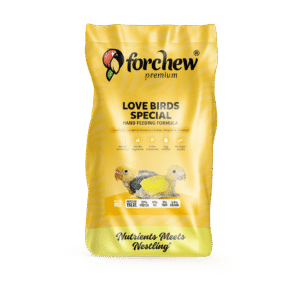 High-Protein Formulas:
Species like lovebirds and parakeets thrive on balanced nutrition such as the Forchew Premium Love Birds Special Hand Feeding Formula.
 High-Fat Formulas:
Larger parrots or chicks needing rapid growth benefit from specialized options like Kaytee Exact Hand Feeding High Fat Baby Bird Food.
Always prepare fresh formula for every single feed and test the temperature before feeding. The formula should be warm to the touch—ideally between 40°C and 42°C (104°F to 108°F). Formula that is too cold will cause the crop to slow down, while formula that is too hot can cause severe crop burns.
2. Essential Hand-Feeding Utensils & Feeding Tools
Using the right equipment ensures smooth feeding without injury or choking risks.
Syringes & Feeding Tubes:

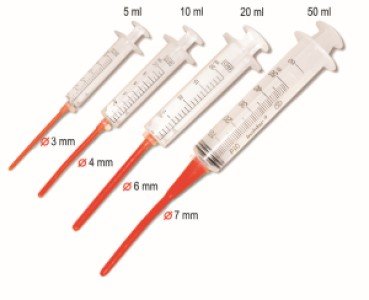
For small chicks or precise dosage control, Reusable Syringes (ranging from 3ml to 50ml) paired with a Soft Feeding Tube for Bird Chicks make administration easy and safe.
Specialized Syringes:
Durable options like TPX Hand Feeding Syringes offer smooth plunger motion, preventing sudden squirts of formula into the chick’s throat.
Pro Tip:
Always introduce the syringe slowly from the left side of the bird’s beak, aiming toward the right side of the throat (over the tongue). This directs food down the esophagus rather than the airway.
3. Maintain Optimal Nursery Temperature & Humidity
Baby birds cannot regulate their body temperature until they fully develop feathers. Keeping them in a warm, controlled environment is critical for digestion and health.
Heating Elements:
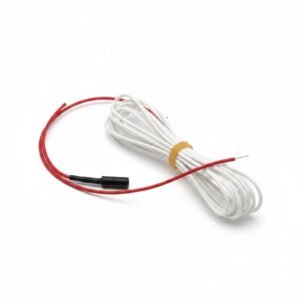 Use a reliable heat source like a 12V 100W PTC Ceramic Air Heater Element or a 220V 50W Flexible Silicone Heating Cable Element inside your brooder or incubator setup.
Temperature Monitoring:
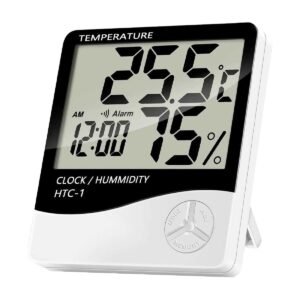 Monitor environmental conditions continuously with a Digital Indoor Temperature & Humidity Meter or the HTC-2 Digital Meter with External Probe Sensor. Keep the brooder temperature around 32°C to 35°C for unfeathered chicks, lowering it gradually as they grow.
4. Keeping Equipment Clean and Disinfected
Chicks have sensitive immune systems, making hygiene top priority. Wash all feeding tubes, syringes, and mixing bowls with hot water and bird-safe disinfectant immediately after every feeding. Discard any unused formula—never save leftover prepared formula for the next feed, as bacteria can multiply rapidly.
Final Thoughts
Hand-feeding a baby bird builds a deep bond between you and your pet. By choosing high-quality hand-feeding formulas, precise syringes, and keeping a closely monitored nursery setup, you set your feathered friend up for a long, happy, and vibrant life.
Explore all your bird-care essentials—from feeds and formulas to cages, perches, and brooder accessories—right here at Birds Paradise.