


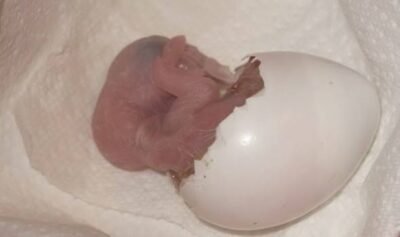
 Mastering Artificial Bird Egg Incubation: Temperature, Humidity, and Hatching Success
Hatching bird eggs artificially using an incubator is an exciting and rewarding project for breeders and hobbyists alike. Whether you are managing a small collection or running an active breeding program, replicating the natural care provided by parent birds requires precision, consistency, and close attention to detail.
Getting high hatch rates isn’t just about turning on a machine—it comes down to mastering environmental controls. Successful Artificial Bird Egg Incubation requires a deep understanding of how warmth, moisture, and movement interact to support embryonic growth. To browse professional-grade equipment for your aviary, check out our selection of incubators and brooders. For deeper scientific guidelines on avian embryo development and incubation parameters, you can also reference the University of Florida Extension Poultry Guide. Here is your comprehensive guide to setting up, calibrating, and managing a successful incubation cycle from start to finish.

1. Calibrating Temperature: The Margin for Error
Temperature is the single most critical factor in artificial incubation. Even minor fluctuations can severely impact embryo development or cause complete failure.
The Ideal Temperature Range
Most bird eggs thrive in a forced-air incubator maintained consistently between 99.5°F to 100°F (37.5°C to 37.8°C). Using reliable digital thermostats and accurate hygrometers ensures your setup stays stable throughout the entire term.
The Danger of Overheating
Overheating is far more dangerous to an embryo than underheating. Temperatures spiking even a couple of degrees above normal for a sustained period can quickly be fatal. Always run, test, and stabilize your incubator for at least 24 hours before introducing fresh eggs to your setup.
2. Managing Humidity and Water Loss During Artificial Bird Egg Incubation
Humidity controls how much moisture evaporates from the egg during the incubation process. If an egg loses too little or too much water, the chick will struggle to develop or hatch properly. Making sure your machine maintains steady parameters is key to a smooth hatch.
Incubation Stage (First 65%–75% of the Cycle)
Keep relative humidity stable, typically between 45% to 55% depending on the specific species and local climate. Regular candling can help you monitor air cell growth to ensure moisture loss is on track.
The Lockdown Stage
During the final 3 days before hatching, increase the humidity to 65%–70%. This softens the inner shell membranes, preventing them from drying out and trapping the chick during pipping.
3. The Importance of Egg Turning
In nature, parent birds regularly shift and turn their eggs. In an artificial setup, you must replicate this mechanical movement to prevent serious developmental complications.
Turning Frequency and Best Practices
Turn your eggs at least 3 to 5 times daily if you are doing it manually, or invest in an automatic turner. Regular turning ensures that the developing embryo does not stick to the inner shell membranes, which can lead to deformities. Remember to stop turning entirely during the final 3-day lockdown period to allow the chick to position itself correctly for hatching.
Troubleshooting Common Hatching Issues
Even with careful monitoring, challenges can arise during the incubation cycle. Power outages, sudden drops in room temperature, or incorrect humidity levels can jeopardize the clutch. Always keep a backup power source handy, and avoid opening the incubator lid during the lockdown phase unless an absolute emergency requires intervention.
Finalizing Your Hatching Setup
Getting ready for a successful hatch takes careful planning, but the rewards of seeing healthy chicks emerge make every step worthwhile. By investing in reliable digital equipment, keeping a close eye on moisture levels, and avoiding unnecessary disruptions during lockdown, you will give your breeding project the best possible foundation for long-term success.
Summary
Successful Artificial Bird Egg Incubation relies entirely on maintaining stable conditions, monitoring moisture loss, and keeping a watchful eye on your incubator’s internal climate. By paying close attention to these core parameters, you will dramatically increase your hatch rates and welcome healthy, vibrant chicks into your aviary.