

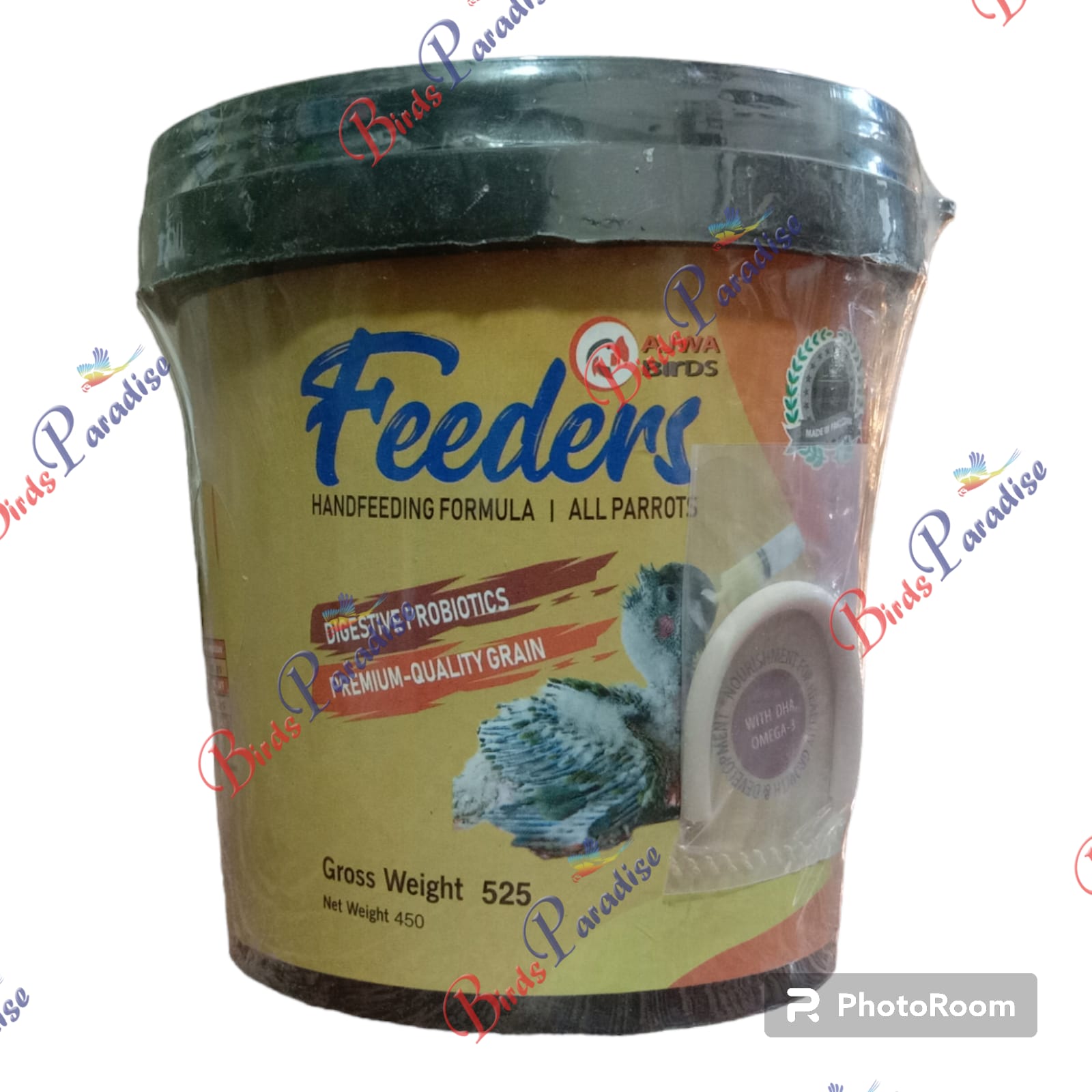
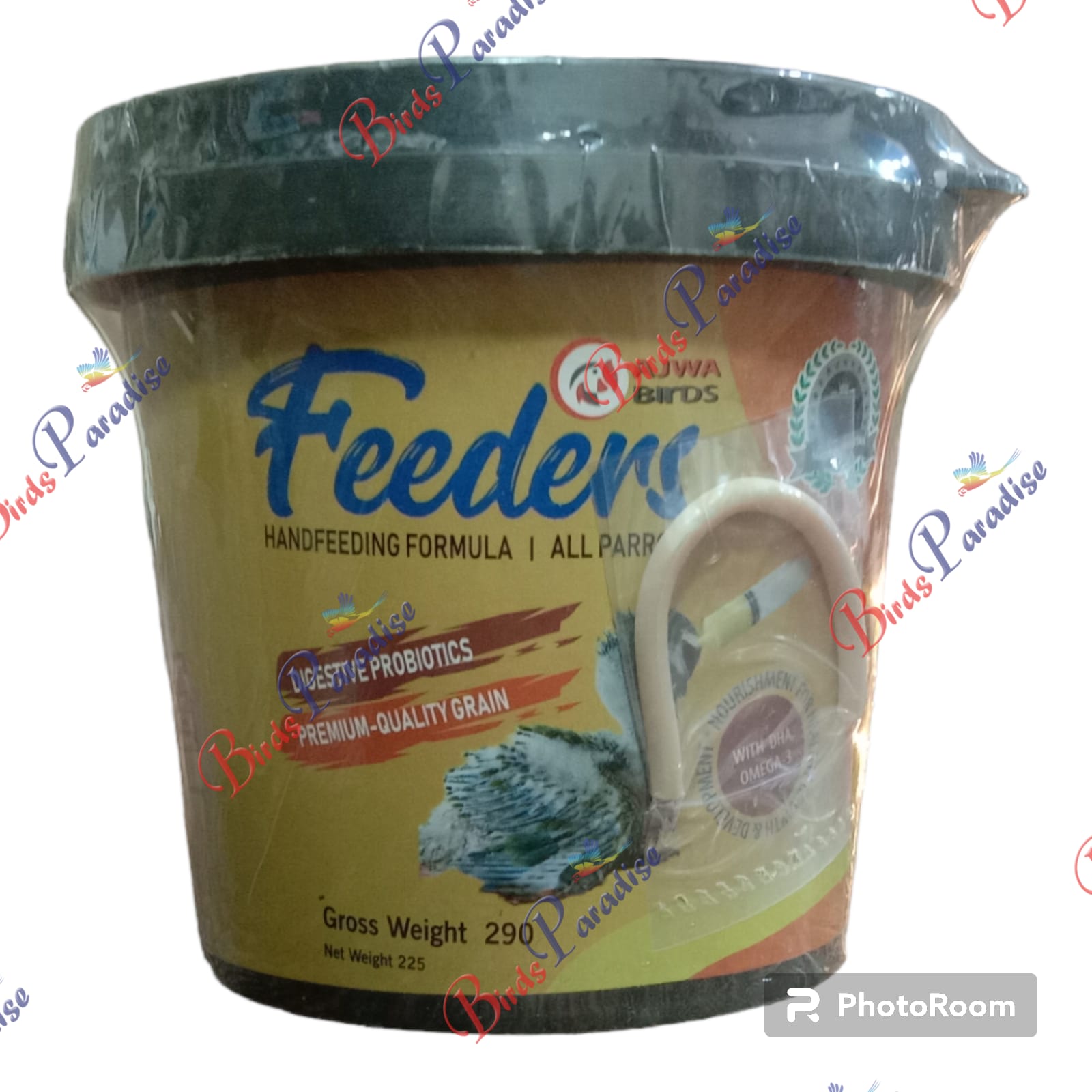

Feeders Hand Feeding Formula for Baby Parrots
Feeders Hand Feeding Formula is a scientifically formulated, highly nutritious hand-rearing diet designed for baby birds and growing parrot chicks. Hand-raising a baby bird requires precise nutritional support to ensure steady weight gain, healthy internal organ development, and beautiful, vibrant plumage. This premium follow-on formula serves as a complete daily diet from the time pin feathers begin to emerge all the way through the weaning transition. It delivers 100% complete nutrition, eliminating any need for extra vitamins, calcium additions, or dietary supplements.
Key Benefits & Features
- Complete & Balanced Daily Diet: Delivers all essential vitamins, minerals, key amino acids, and trace nutrients needed for overall chick health, immune support, and robust bone development.
- Optimal Growth & Feathering: Rich in highly digestible proteins and balanced essential fats to support healthy weight gain, proper muscle growth, and vibrant feathering.
- Superior Digestive Support: Specially processed for high nutrient absorption and smooth crop transit. The balanced particle size helps prevent crop slow-down and reduces the risk of sour crop.
- Smooth, Lump-Free Consistency: Easily mixes with warm water into a uniform, smooth consistency that flows comfortably through feeding syringes, curved spoons, or soft feeding tubes without clogging.
- Broad Species Compatibility: Tailored to support a wide range of parrot species, making it an essential hand-rearing food for breeders, bird rescues, and pet owners alike.
Suitable Parrot Species
Feeders Hand Feeding Formula provides balanced nutrition for various baby bird species throughout their hand-rearing journey, including:
- Asiatic Parakeets: Ring-necked Parakeets, Alexandrine Parakeets (Raw Parrots), Plum-headed Parakeets, and Derbyan Parakeets.
- Conures & Small Parrots: Sun Conures, Green-cheeked Conures, Jenday Conures, Quaker Parakeets, and Pyrrhura species.
- Lovebirds & Cockatiels: Peach-faced Lovebirds, Masked Lovebirds, Fischer’s Lovebirds, and Cockatiels.
- Medium-to-Large Parrots: African Greys, Amazons, Eclectus, and Macaw chicks (as part of a structured hand-rearing regimen).
Preparation & Feeding Guidelines
Maintaining high standards of cleanliness and adhering to correct water-to-powder ratios are critical when hand-feeding young chicks.
- Sanitation Standard: Always sanitize feeding syringes, spoons, mixing cups, and utensils in hot water before and after every feed to maintain a sterile feeding environment.
- Water Temperature: Use clean, pre-boiled water cooled to a lukewarm temperature between 37°C and 39°C (98°F–102°F). Never use boiling water or feed hot formula, as this can lead to severe crop burns.
- Mixing Ratio: Combine the formula with lukewarm water to reach a smooth, creamy texture (approximately 25% solids, or 1 part formula to 3 parts water). Adjust the mixture slightly based on age; younger chicks need a slightly thinner mix, while older, developing chicks benefit from a thicker consistency.
- Administration: Stir thoroughly until completely uniform and free of lumps. Administer slowly into the left side of the chick’s beak (facing the bird’s right) using a clean syringe or spoon.
- Feeding Schedule: Feed only when the chick’s crop is completely empty. Growing chicks generally require 3 to 4 feeds per day depending on their age and species. Always discard leftover prepared formula and blend a fresh batch for every feed.
Guaranteed Analysis
- Crude Protein (Min): 18.0% — Vital for tissue building and feather formation.
- Crude Fat (Min): 10.0% — Provides essential energy for healthy growth and thermal regulation.
- Crude Fiber (Max): 3.0% — Promotes healthy gut motility without overloading the stomach.
- Moisture (Max): 10.0% — Ensures product freshness and quality storage life.
Transitioning to Weaning
As baby birds mature and develop full feather coverage, they will naturally begin exploring solid food. During this phase, gradually reduce the frequency of liquid feeds while offering soft weaning foods, high-quality parrot pellets, fresh seeds, and clean drinking water in easily accessible bowls. Continue providing an evening hand-feed until the chick consistently maintains its body weight on solid food alone.
Storage & Safety Instructions
Store the container in a cool, dry environment away from direct light and moisture. Always seal the pouch tightly after opening to preserve freshness and active nutrients. Do not store prepared liquid formula in the refrigerator for future use; discard any leftover mixture immediately after each feeding session.
For best hand-feeding results, pair this diet with our high-quality Hand Feeding Accessories to ensure accurate dosage and safe feeding.
To learn more about proper chick care and species nutrition guidelines, consult the Wikipedia Parrot Care Guide.
Reviews
There are no reviews yet.