

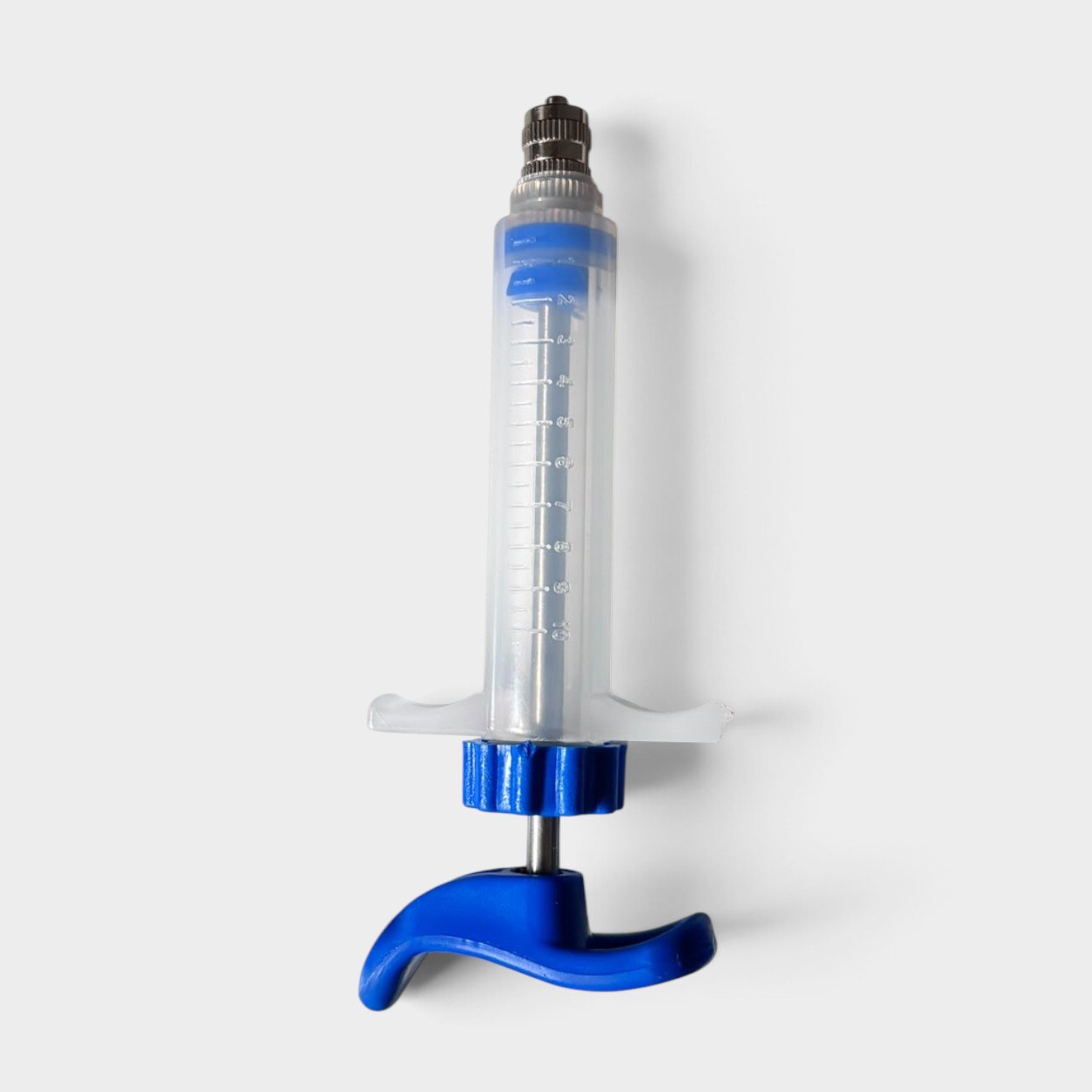
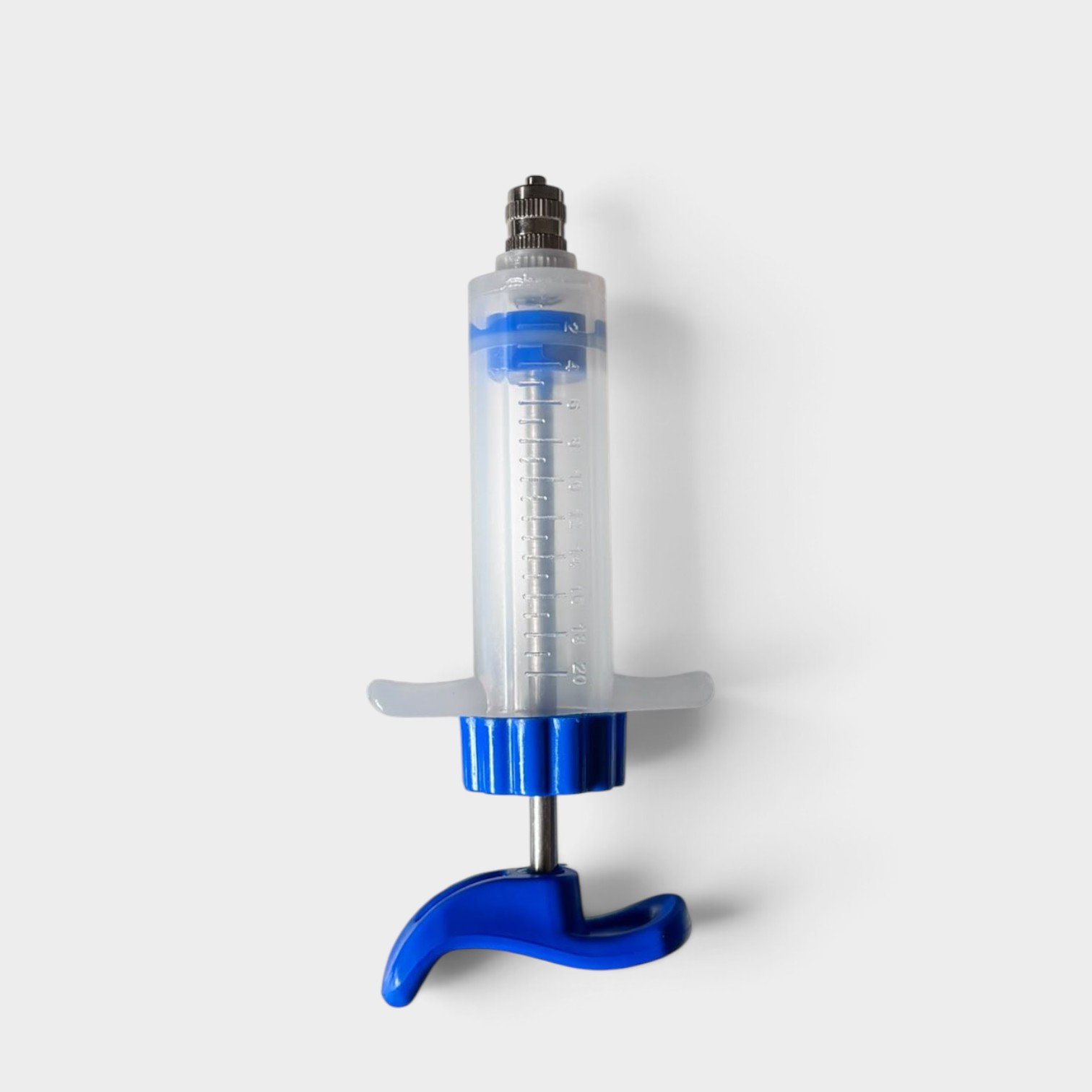
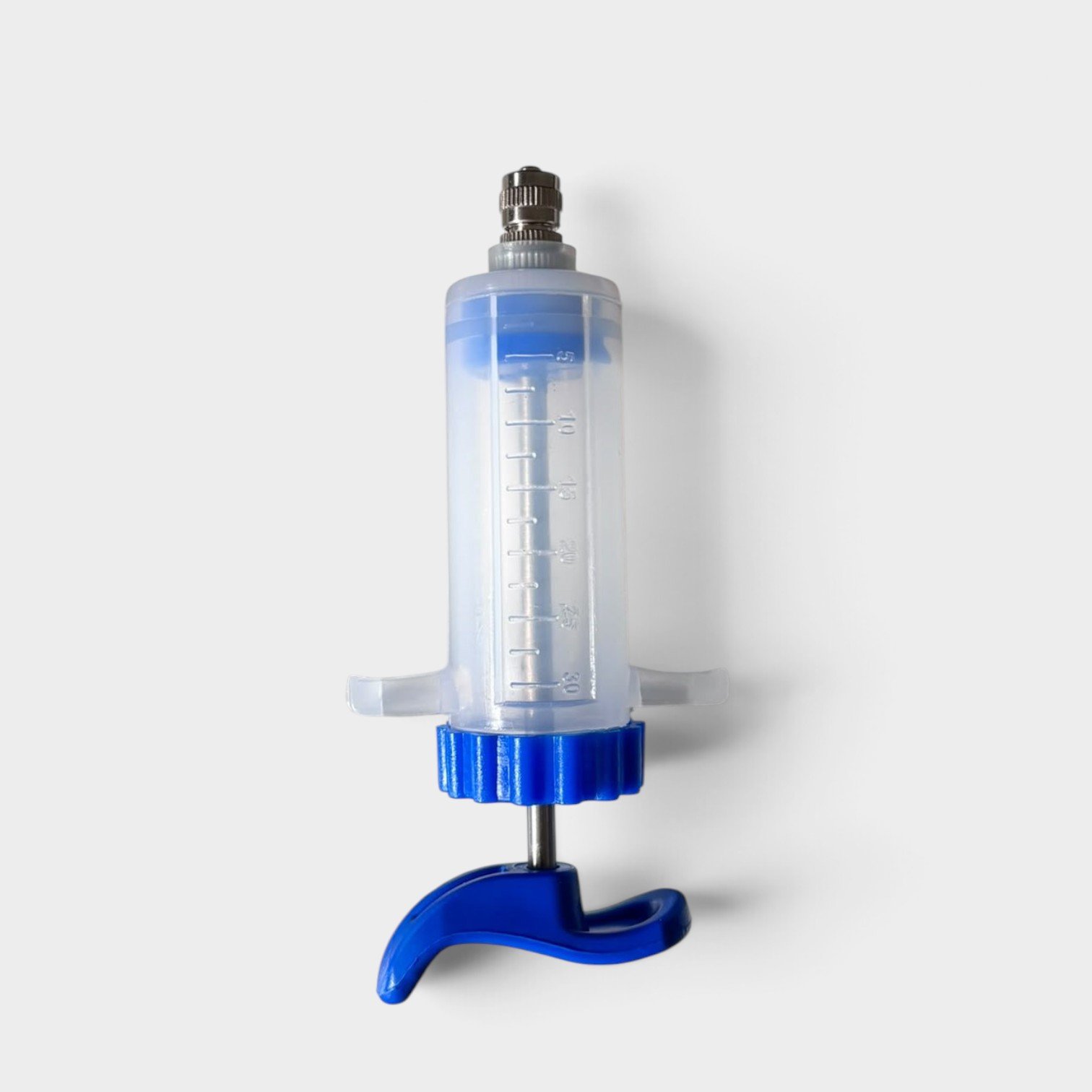
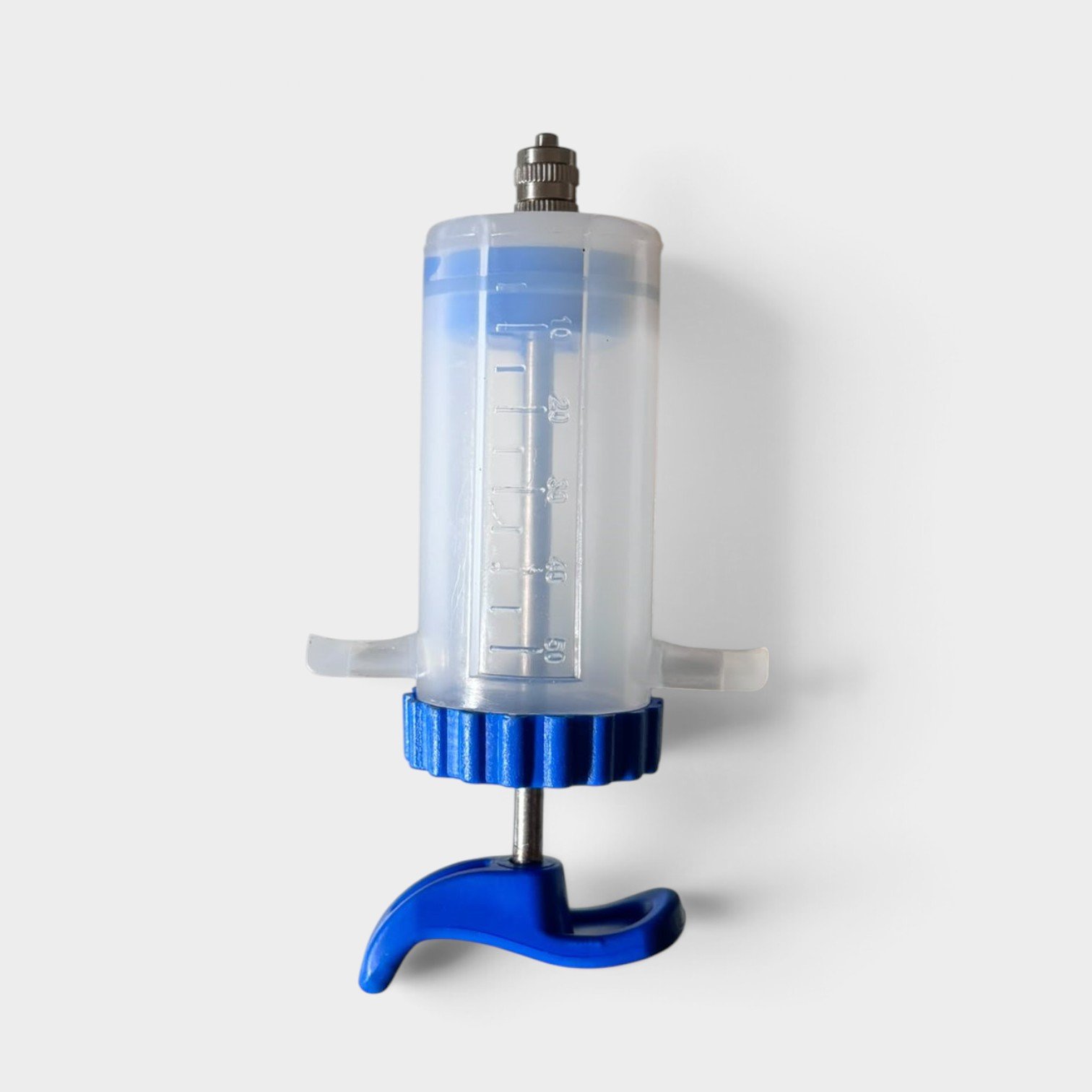

Reusable Bird Hand Feeding Syringe for Baby Parrots & Nestlings
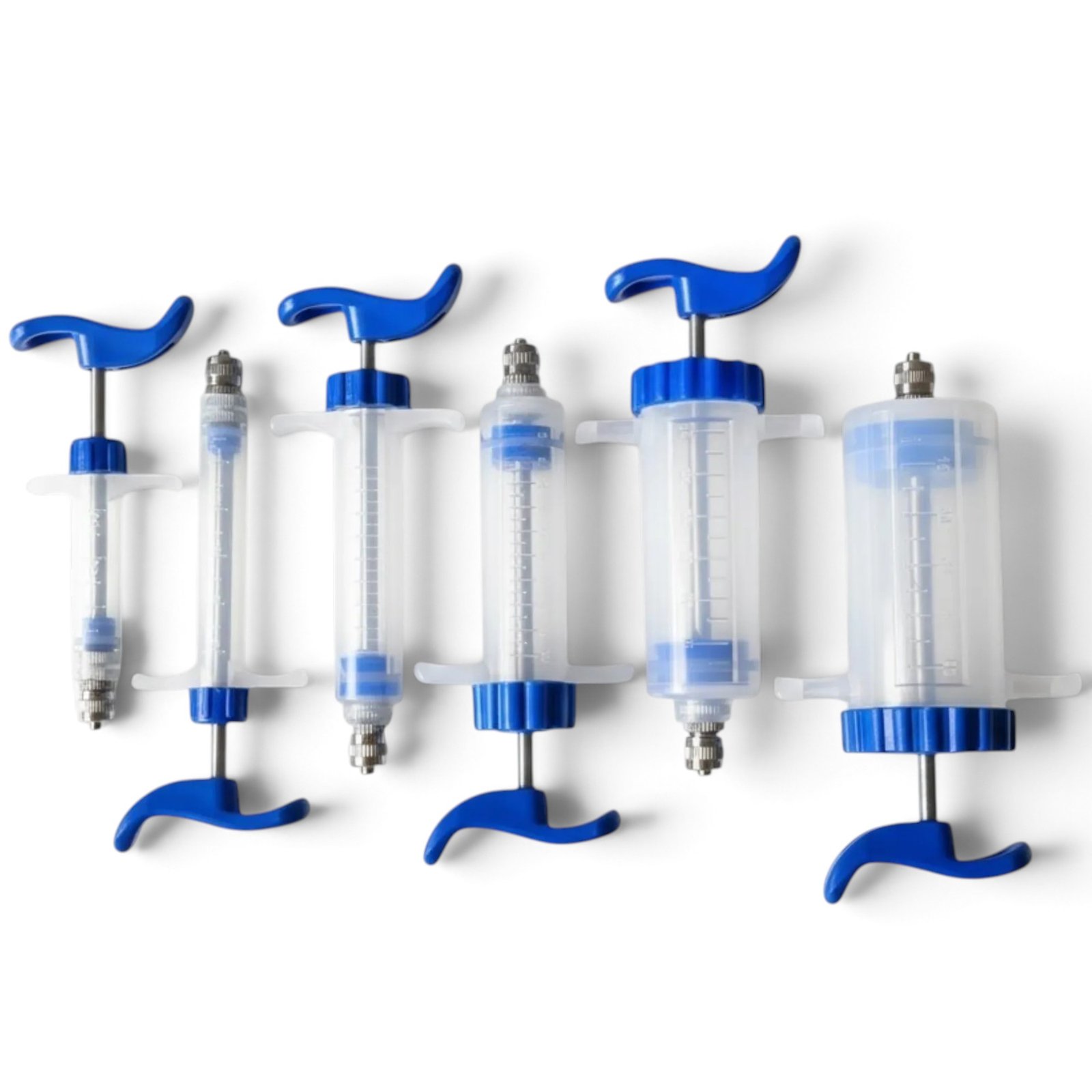
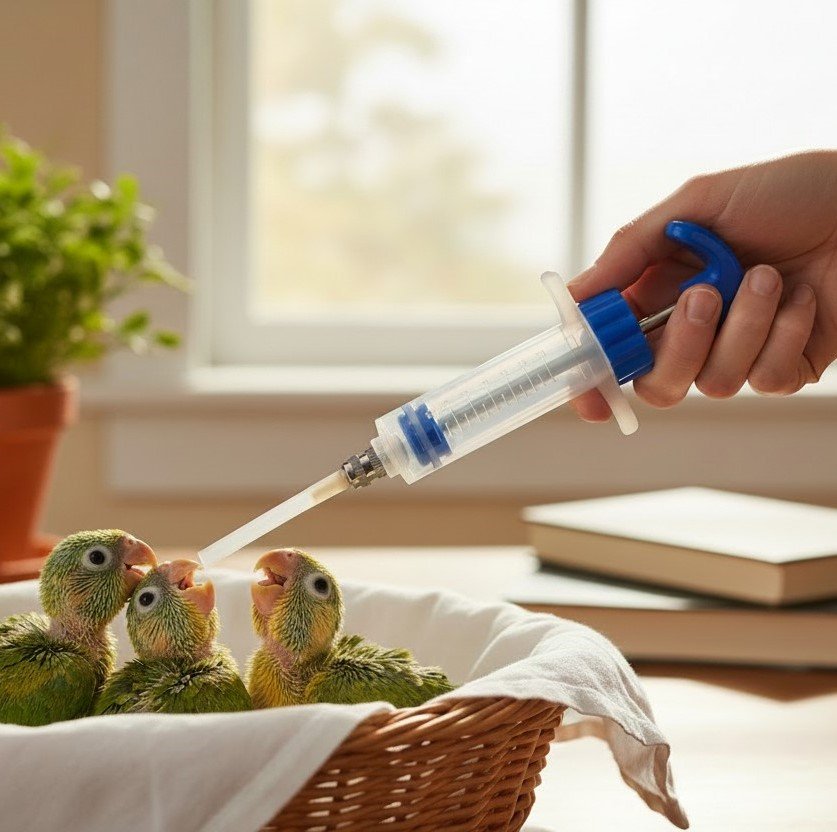
Safely nurture and hand-raise baby birds with our high-grade reusable bird hand feeding syringe set. Designed specifically for bird breeders, avian caretakers, and parrot owners, these durable feeding syringes allow precise measurement and smooth fluid delivery for baby parrots, cockatiels, lovebirds, macaws, and other nestlings.
Key Features of Our Bird Hand Feeding Syringe
Why Choose Reusable Feeding Syringes for Baby Birds?
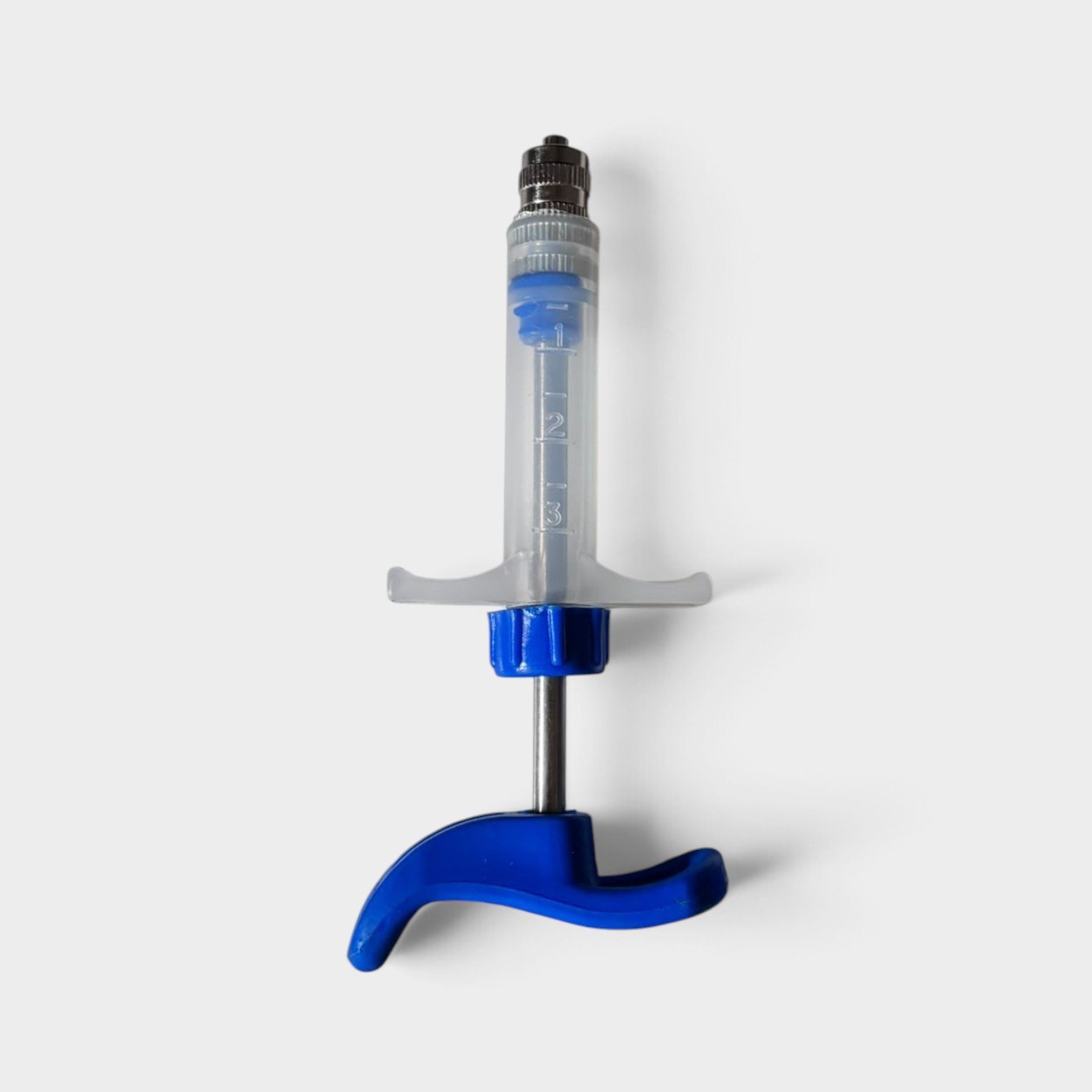
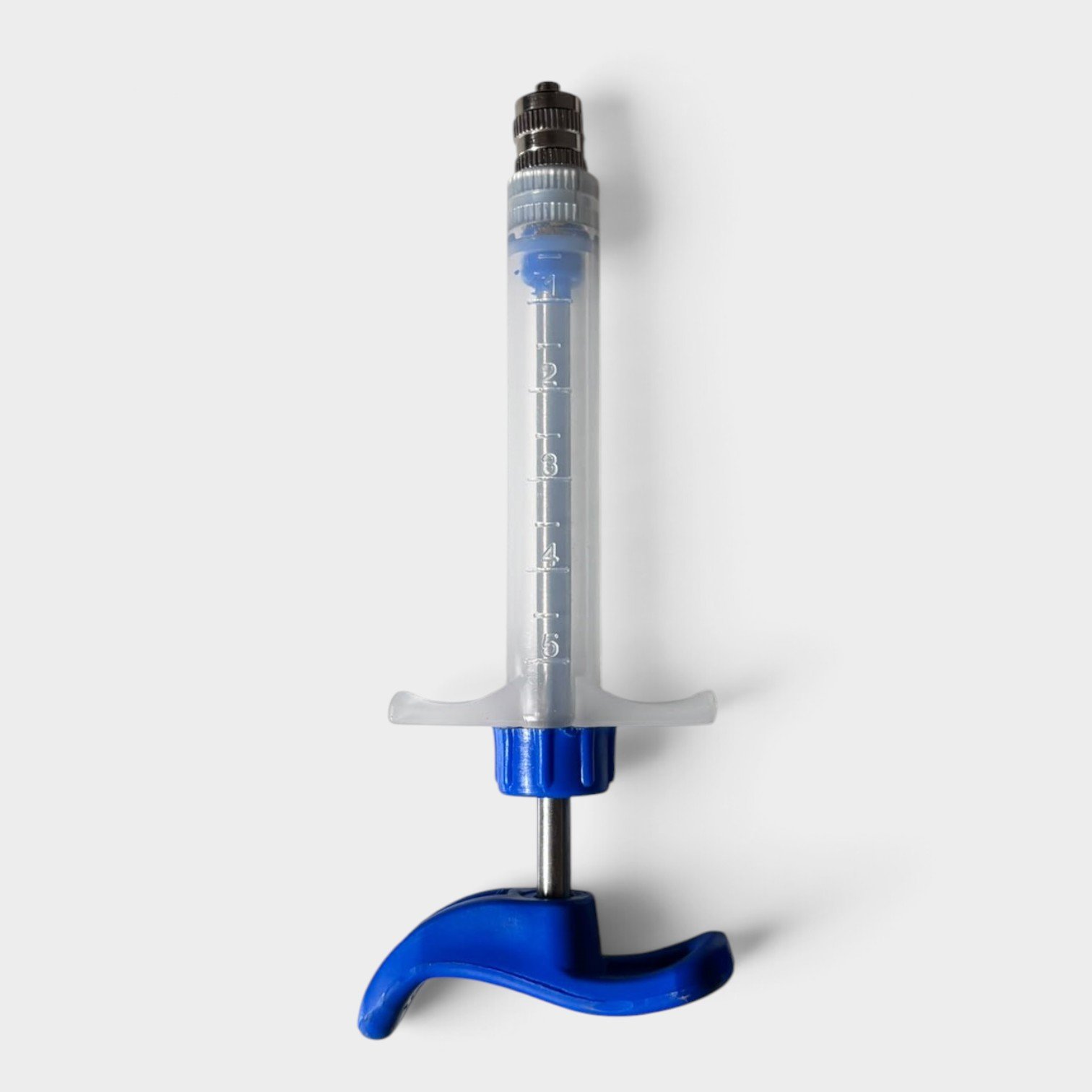
Hand-rearing chick nestlings requires reliable, hygienic feeding tools. A high-quality reusable bird hand feeding syringe offers clear volumetric measurement markings that will not rub off easily, enabling precise dosage control for milk formulas, electrolytes, or liquid medications. Investing in reusable syringes ensures you always have dependable equipment ready in your nursery.
Recommended Syringe Sizes by Bird Species
Select the correct syringe capacity based on the crop size and species of your chick:
- 3ml & 5ml: Ideal for newly hatched chicks, finches, budgies, lovebirds, and cockatiels.
- 10ml & 20ml: Perfect for growing conures, Ringnecks, Alexandrines, and medium-sized parrot chicks.
- 30ml & 50ml: Best suited for large parrot chicks including African Greys, Amazons, Eclectus, Cockatoos, and Macaws.
Dosage & Administration Guidelines
Accurate measurement is critical during hand-rearing. As a general rule, a chick’s single feeding portion should equal approximately 10% of its body weight in grams (for example, a 100g chick requires 10ml of mixed hand-feeding formula per session). Monitor crop fullness carefully after each portion to prevent over-extension.
Preventing Crop Stasis & Digestibility Care
Crop stasis (slow crop) occurs when hand-feeding formula fails to move out of the chick’s crop at a normal rate. To maintain optimal digestion, ensure formula temperatures stay consistently between 39°C–41°C (102°F–105°F). Never introduce cold formula, as low temperatures slow down muscular contractions in the avian crop. Always allow the crop to empty completely at least once every 24 hours.
Step-by-Step Cleaning & Sterilization Instructions
- Rinse Immediately: After feeding, immediately flush the syringe barrel and plunger with warm water to prevent formula from drying inside.
- Soak in Soapy Water: Disassemble the plunger from the syringe barrel and soak all components in warm water with mild dish soap for 10 to 15 minutes.
- Sanitize & Boil: Boil the disassembled syringe parts in clean water for 3 to 5 minutes or use a recognized avian disinfectant solution.
- Air Dry: Allow all parts to air dry completely on a clean paper towel before reassembling for storage.
Best Practices for Safe Baby Bird Hand Feeding
Always wash and sanitize your hands thoroughly before handling young nestlings. Check that the hand-feeding formula temperature is maintained at approximately 39°C–41°C (102°F–105°F) before filling the syringe. Insert the feeding tube slowly from the left side of the chick’s beak, pointing toward the right side of the throat, entering the crop safely. Browse our full collection of hand feeding formulas and feeds to ensure complete avian nutrition.
Clinical Guidance & Crop Safety Tips
Proper feeding volume is critical—never overfill a chick’s crop. Ensure the crop empties completely at least once every 24 hours to prevent crop stasis or sour crop. For clinical guidelines on avian pediatric nursing and crop feeding technique, refer to The Association of Avian Veterinarians.
Storage & Maintenance
Store dry syringes in a dust-free, clean container away from direct sunlight. Periodically inspect the rubber gaskets on plungers for wear and replace them if smooth movement becomes restricted.
Reviews
There are no reviews yet.