

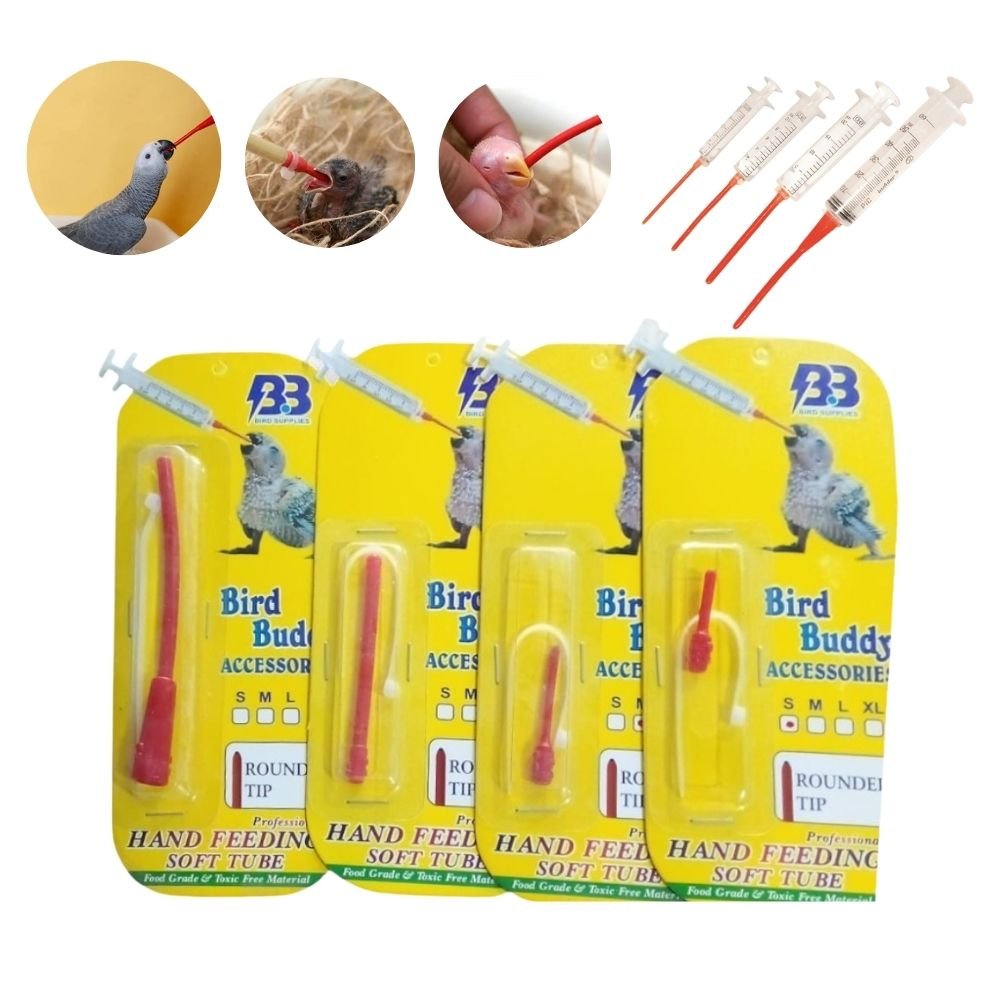
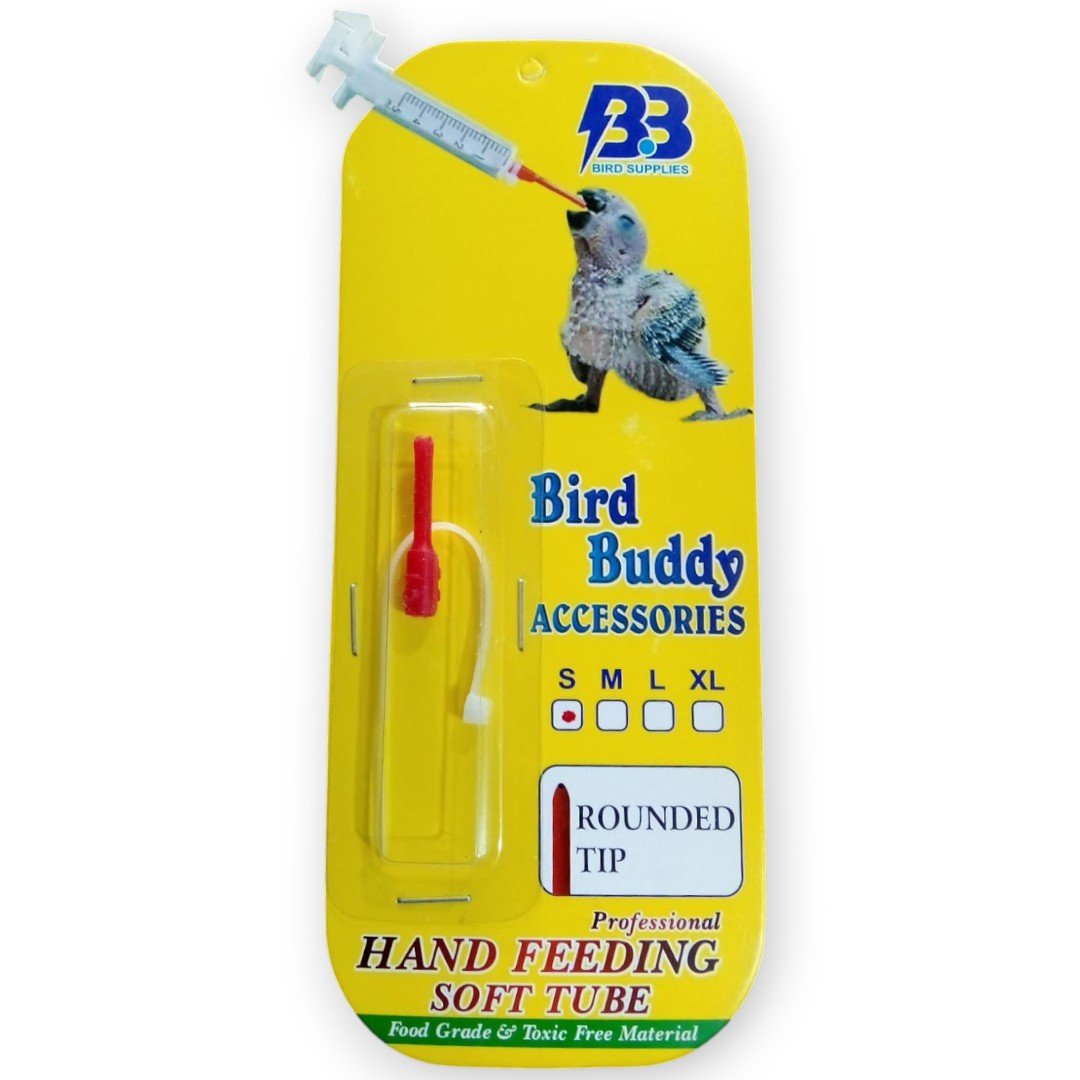
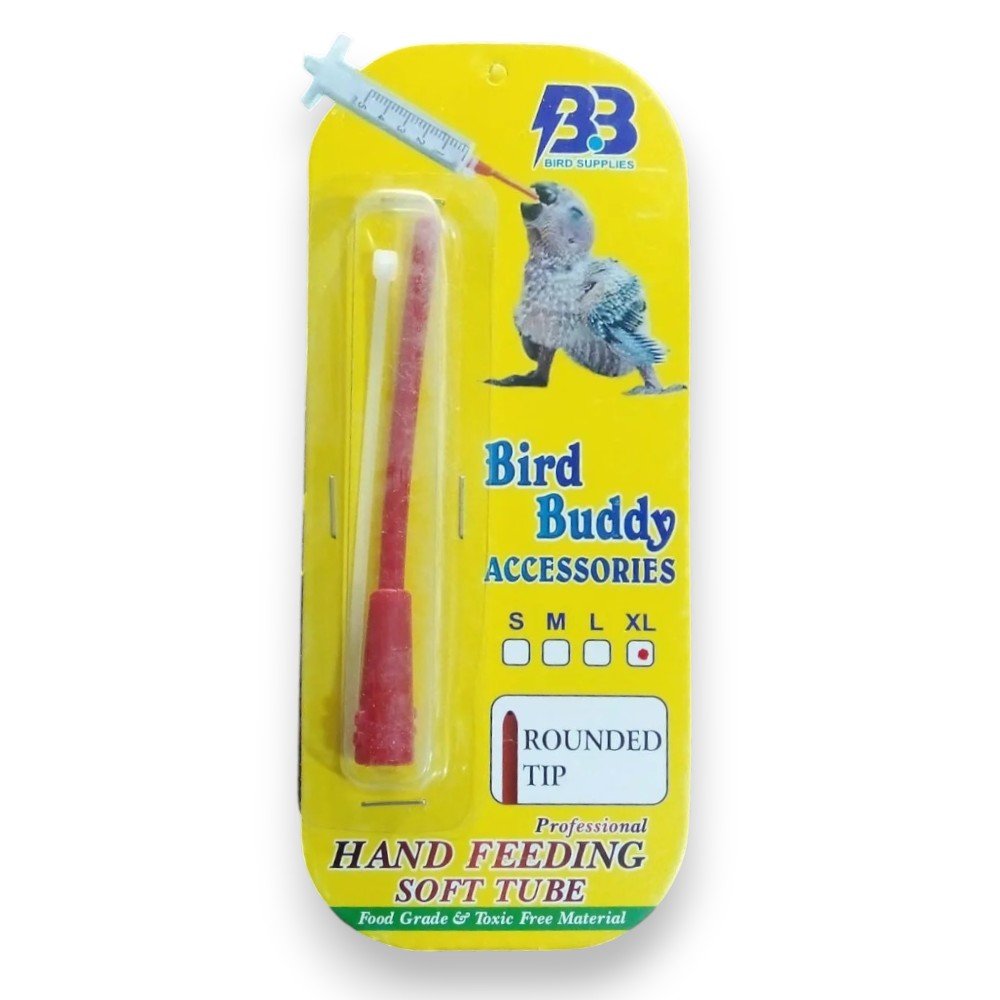
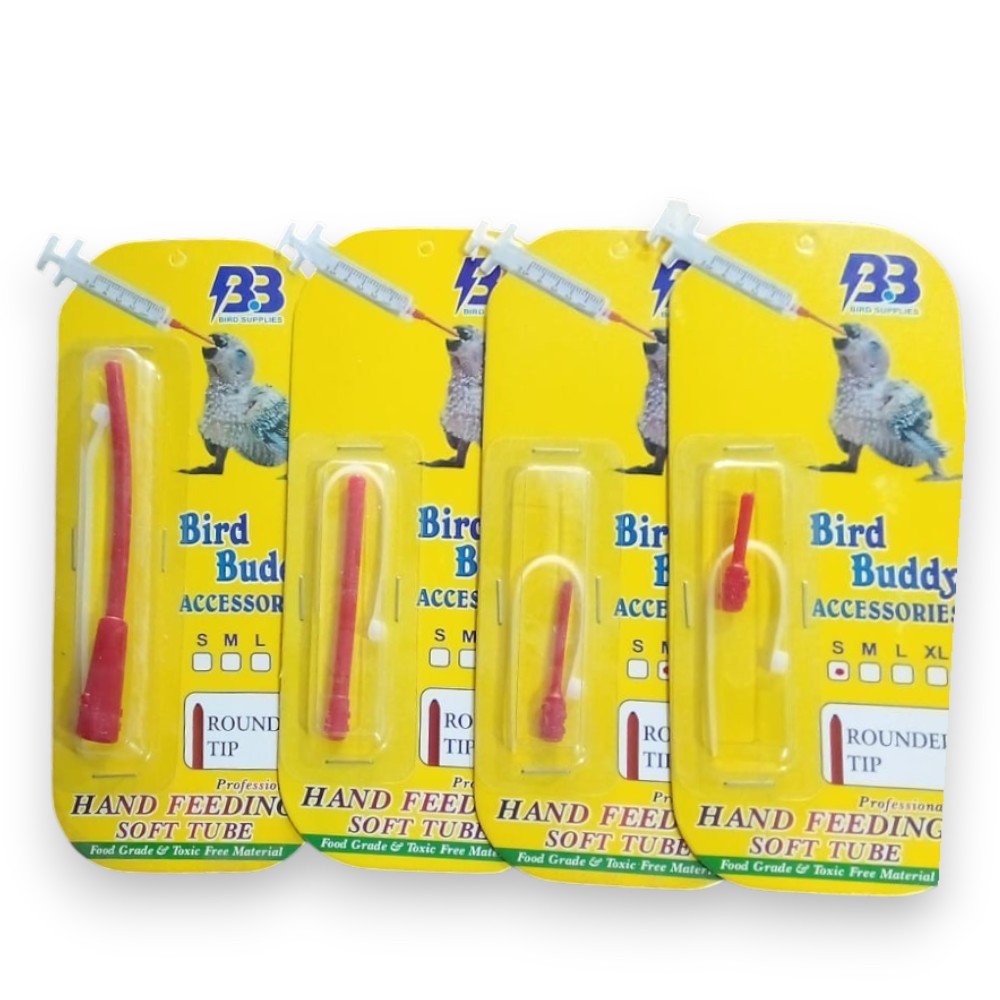
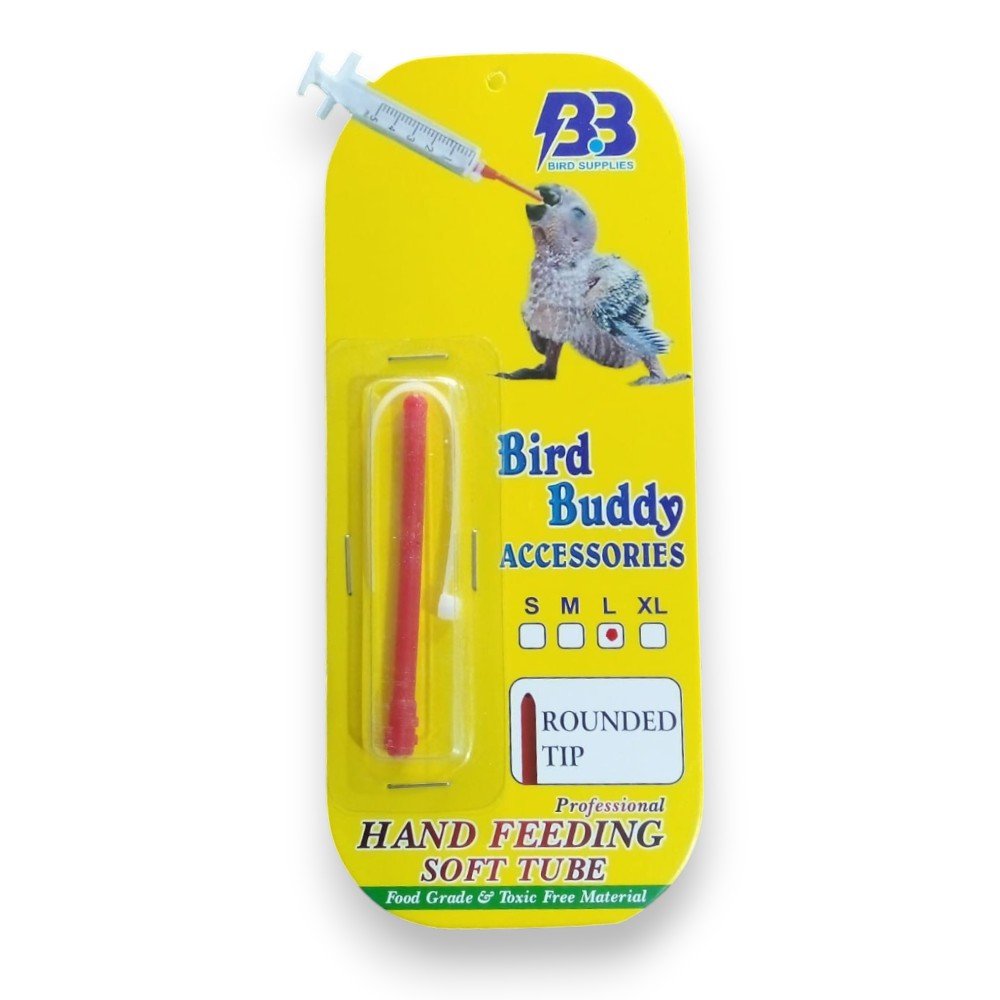
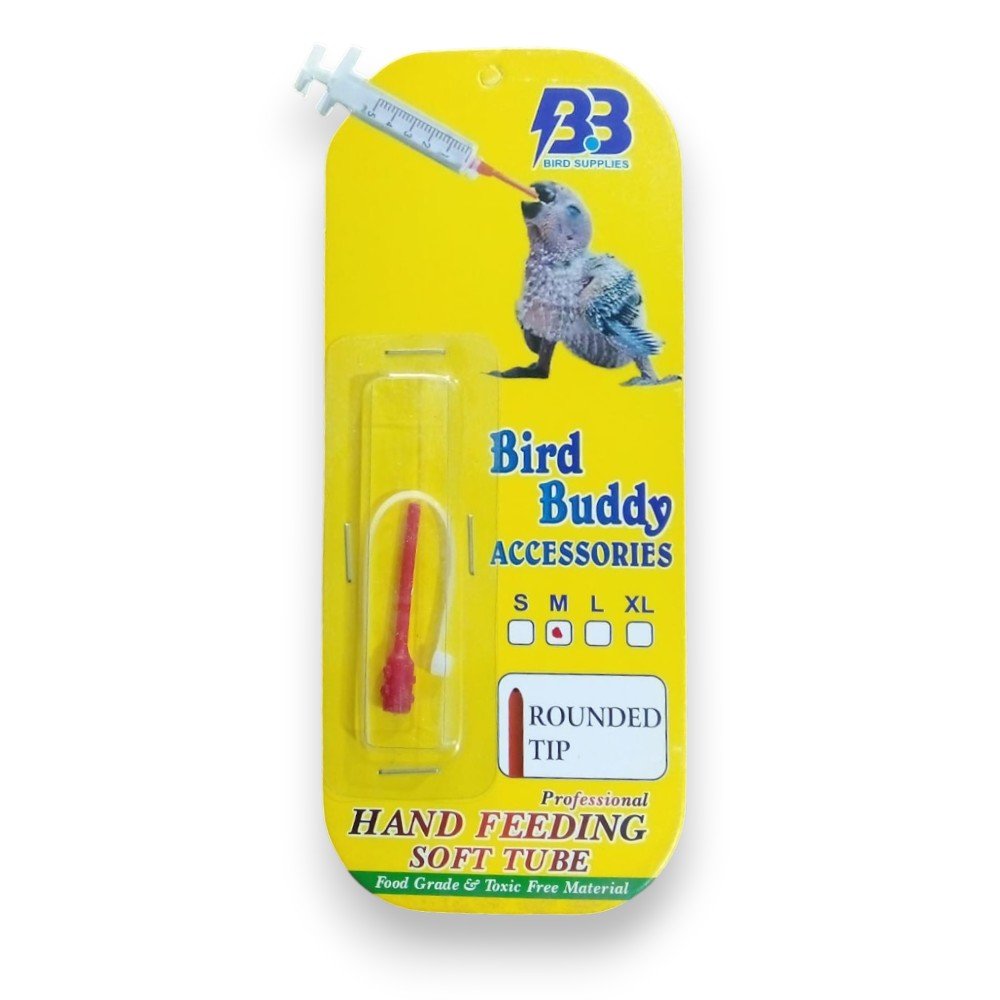

The soft feeding tube for bird chicks is an indispensable tool designed to ensure safe, gentle, and stress-free hand rearing for baby birds of all species.
Hand rearing baby birds requires accuracy, patience, and the highest standards of safety. Conventional rigid crop needles can sometimes pose a risk of throat trauma or crop perforation if a chick moves suddenly during feeding. Designed specifically for aviculturists, professional breeders, and pet parents, our ultra-flexible crop tubes eliminate friction, offering a seamless feeding experience that protects delicate avian anatomy.
Why Choose a Soft Feeding Tube for Bird Chicks?
Unlike traditional metal feeding needles, a flexible soft feeding tube for bird chicks contours naturally to the bird’s throat and esophagus. Using a soft feeding tube for bird chicks drastically reduces the likelihood of tissue irritation, accidental puncture, or stress during daily feedings. Whether you are hand-raising newly hatched neonates or administering critical fluids to recovering birds, this tool ensures precise liquid diet delivery every single time.
Key Features of the Soft Feeding Tube for Bird Chicks
- Ultra-Soft Food-Grade Silicone: Non-toxic, highly pliable, and gentle on delicate tissues.
- Smooth, Rounded Tip: Glides easily without causing crop or esophageal scraping.
- Universal Syringe Fit: Connects securely to standard Luer lock and slip-tip hand-feeding syringes.
- Multi-Size Versatility: Available in 4 distinct gauge sizes to accommodate tiny finches up to large macaws.
- Reusable & Durable: Easy to sanitize and maintain for multiple hand-rearing seasons.
Detailed Benefits for Aviculturists and Hand-Rearers
Feeding time should build trust between you and your hand-reared chicks. Utilizing a soft feeding tube for bird chicks drastically improves comfort for the bird, leading to smoother swallow responses and less head-shaking during administration. This precise delivery reduces formula spillage around the beak, helping maintain clean feathers and preventing facial dermatitis.
When combined with high-quality handfeeding formulas, choosing the right soft feeding tube for bird chicks ensures that essential nutrition reaches the crop directly at the correct temperature without premature cooling in the oral cavity.
Species Recommendations and Size Selection Guide
Selecting the correct size of your soft feeding tube for bird chicks is crucial for safe and efficient crop feeding. Refer to the guide below to match your bird species with the appropriate tube gauge:
- Small (14G – 18G): Ideal for Parakeets, Cockatiels, Lovebirds, Budgies, and similar small parrot chicks.
- Medium (10G – 12G): Best suited for Conures, African Greys, Amazons, Pigeons, and medium-sized aviary species.
- Large (8G – 10G): Designed for Cockatoos, Macaws, and larger parrot chicks requiring higher volume feeding.
- Extra Small (18G – 20G): Recommended for Finches, Canaries, and delicate neonates.
Step-by-Step Hand Feeding Guidelines
- Preparation: Mix your chosen hand-feeding formula with warm water to a smooth, soup-like consistency. Ensure temperature is between 104°F and 108°F (40°C – 42°C).
- Attach Tube: Press or twist the feeding tube firmly onto your filled feeding syringe. Purge all air bubbles from the tube before insertion.
- Measure Depth: Place the tube alongside the bird’s neck to gauge the distance from the tip of the beak to the entry of the crop. Mark or note the correct insertion length.
- Insertion: Gently hold the chick’s head upright. Enter the beak from the left side (the bird’s left) and angle toward the right side of the throat to naturally enter the esophagus and crop, bypassing the airway.
- Dispense Formula: Slowly press the syringe plunger to release the formula directly into the crop. Monitor the crop visually to avoid overfilling.
- Withdrawal: Carefully pull the tube straight out in one smooth motion while releasing pressure on the plunger.
Clinical Crop Safety & Aspiration Prevention Tips
Avian respiratory health depends on flawless technique during crop feeding. Proper insertion depth is essential: entering the wrong passage or releasing formula in the mouth can lead to fatal aspiration pneumonia. According to veterinary guidelines provided by the Association of Avian Veterinarians (AAV), always verify that the tube has entered the esophagus and reached the crop before depressing the plunger.
Never force a tube if you meet resistance. If the bird struggles excessively, pause, allow the chick to recover, and re-attempt gently. Always ensure the crop is almost completely empty before initiating the next feeding session to prevent crop souring or yeast infections.
Storage, Cleaning, and Sterilization
Maintaining hygiene prevents bacterial growth and digestive tract infections in vulnerable chicks:
- Flush the soft feeding tube for bird chicks with warm running water immediately after every feeding to remove formula residue.
- Soak in a bird-safe disinfectant or mild soapy solution, using a tiny pipe wire brush if necessary.
- Rinse thoroughly with clean water to ensure zero chemical residue remains.
- Air dry completely before storing in a clean, covered container away from direct sunlight.
Reviews
There are no reviews yet.